
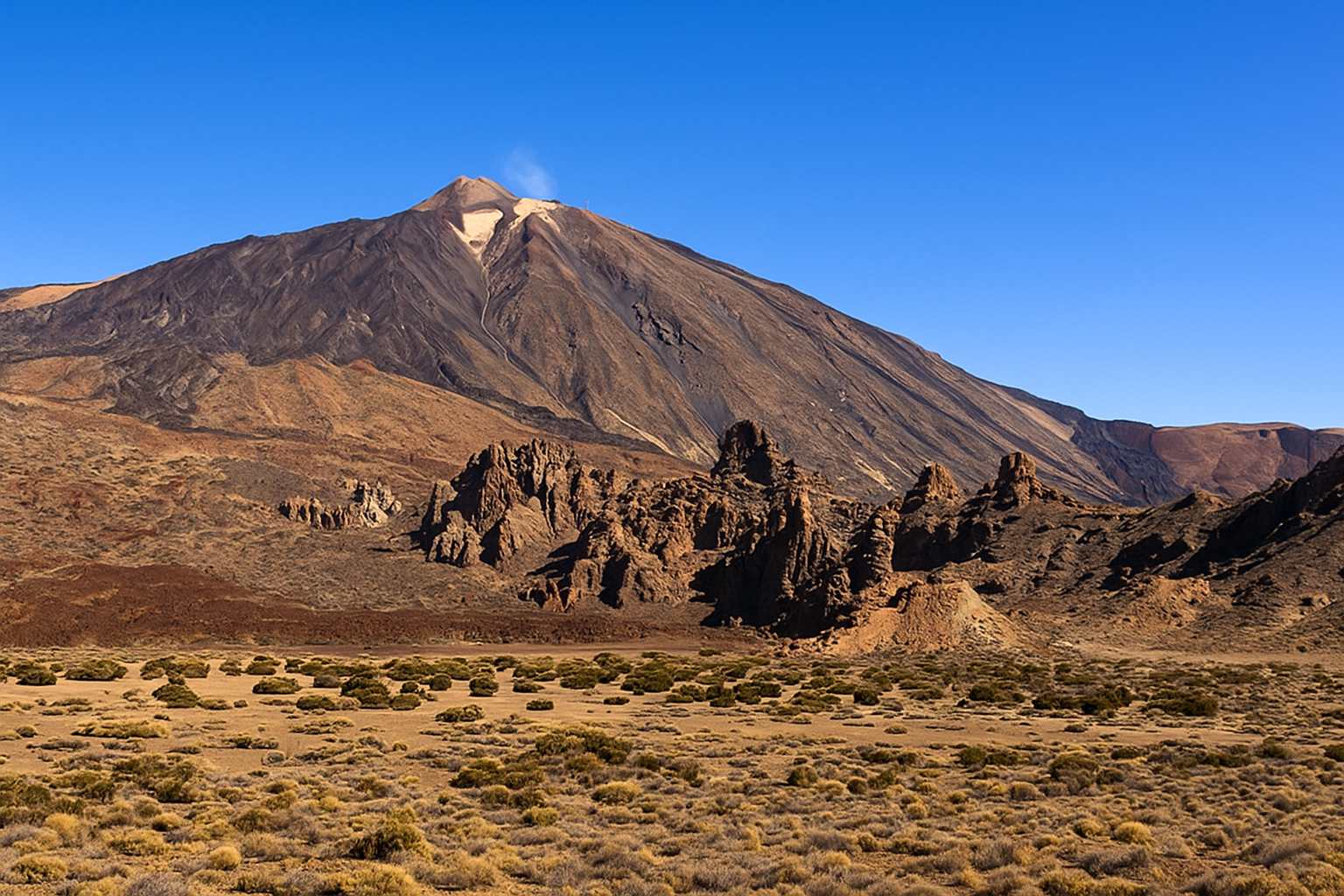

Volcanoes of Tenerife: The Heart of the Canary Islands
Tenerife is the largest island of the Canary archipelago, and its unusual landscape, climate, and nature were shaped by volcanoes. The island’s highest peak is Teide, an active stratovolcano and the tallest point in Spain (3,718 m). But Tenerife is not only Teide: the island’s volcanic history spans millions of years, and volcanic craters and lava fields can be found almost everywhere.
Origin of the Island
Tenerife formed about 12 million years ago through underwater eruptions. On the island, there are three ancient volcanic complexes: Anaga in the northeast, Adeje in the southwest, and Teno in the northwest. Over time, these merged to form the central volcanic massif, where the giant Teide later rose.
Volcano Teide
Teide is not only a symbol of Tenerife but also of all of Spain. The last eruption on Tenerife occurred in 1909 (from the Chinyero cone, one of Teide’s secondary craters). Today, the volcano is under constant monitoring, and there are no signs of danger for residents.
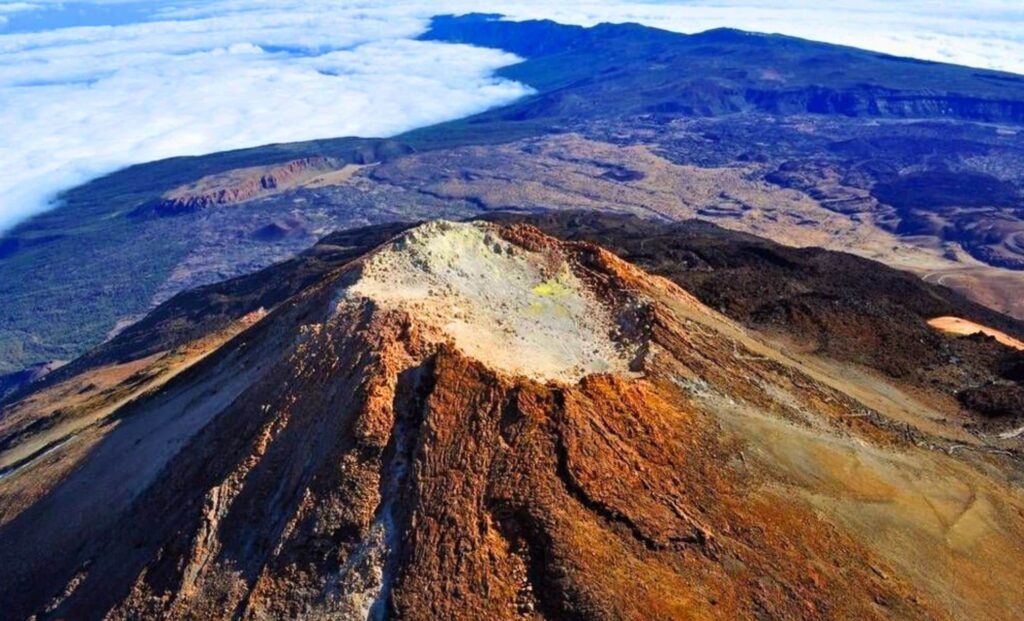
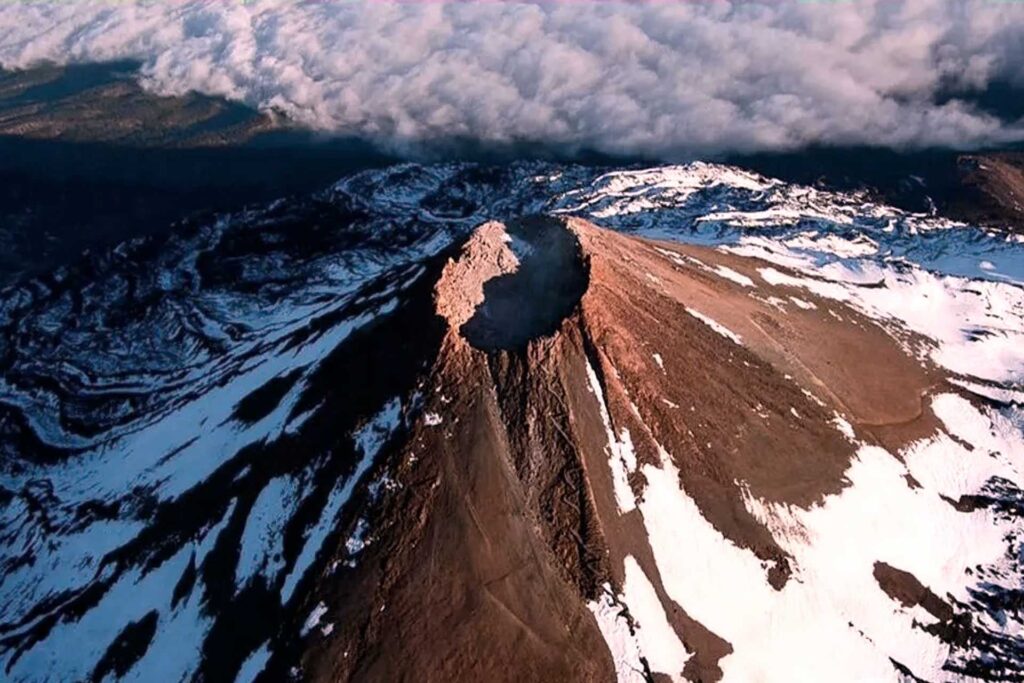
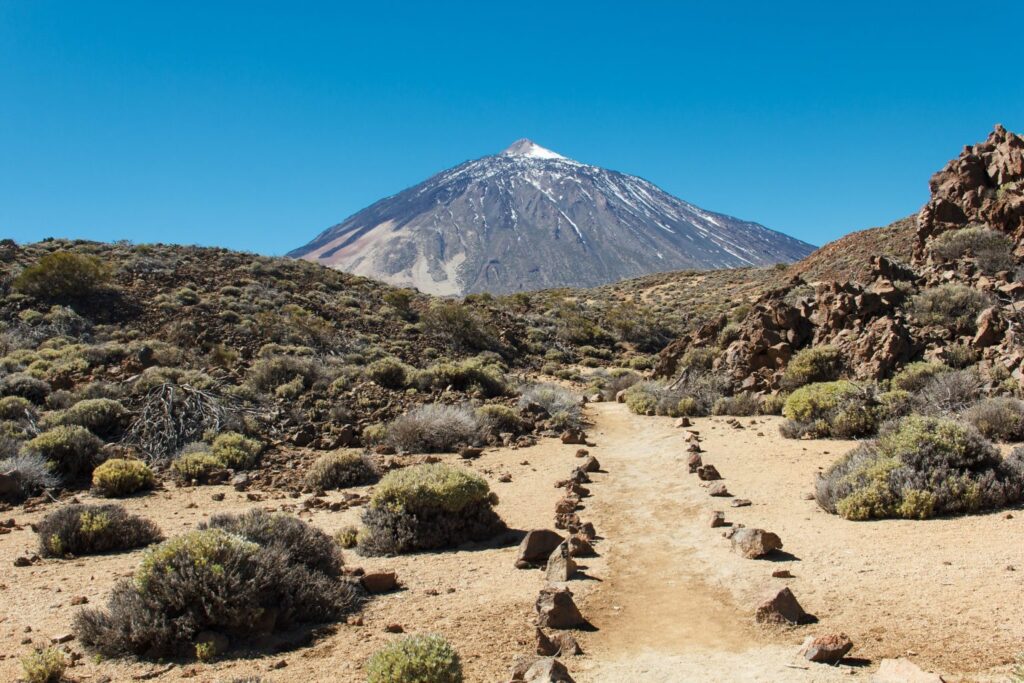
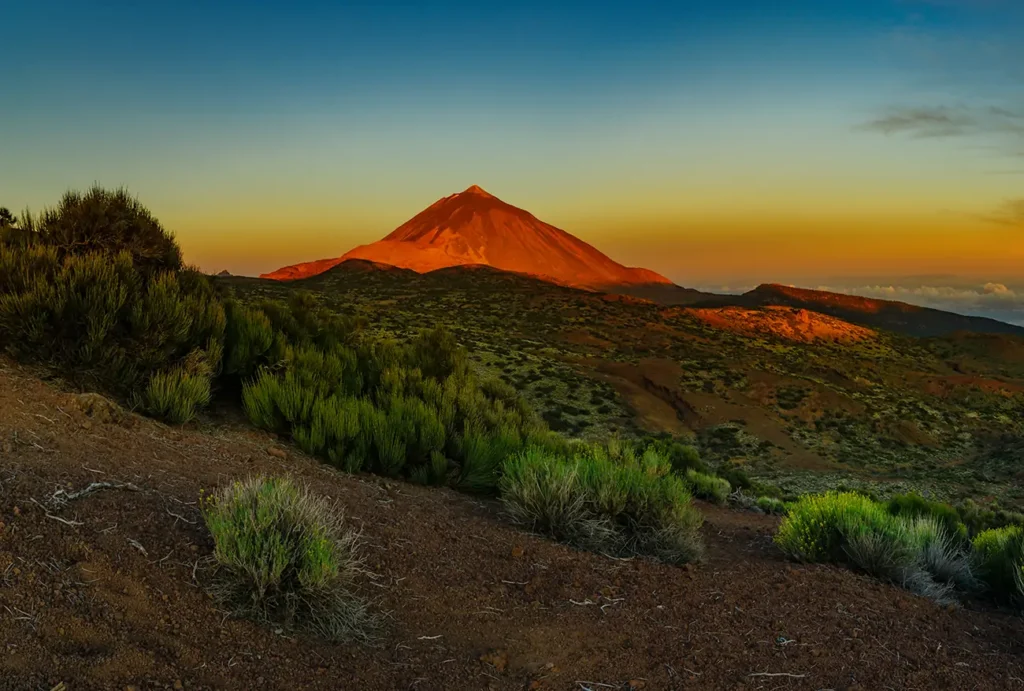
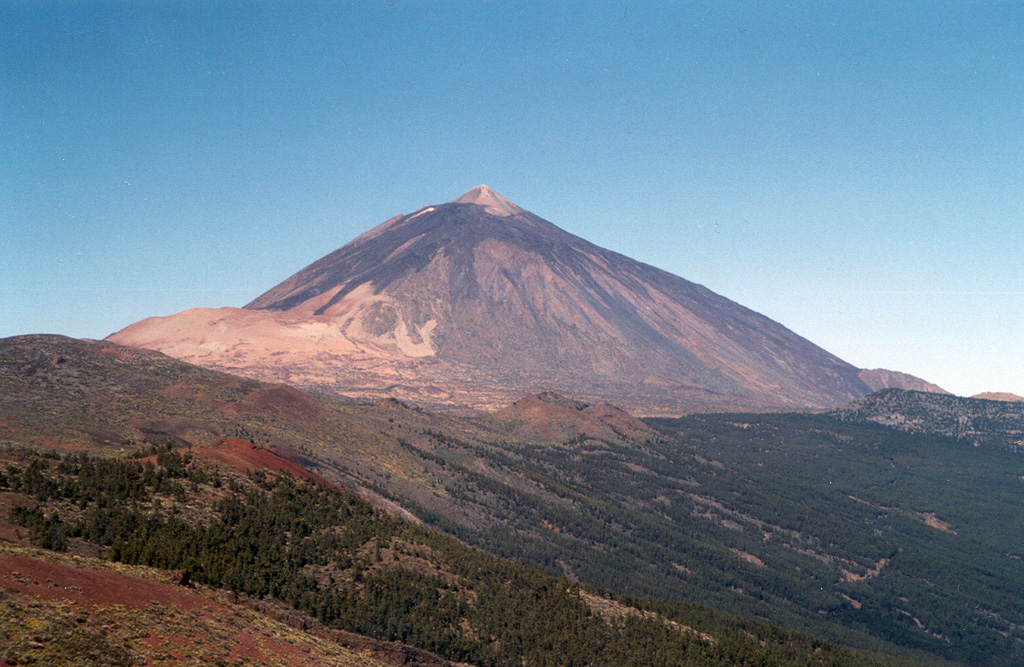
The Teide National Park is included in the UNESCO World Heritage List. Here, you can see “rivers” of lava frozen into stone like waves, giant rock formations such as Los Roques de García, and landscapes that are often compared to the surface of Mars.
A climb to the summit of Teide is a dream for many visitors. First, you can take the cable car up to 3,555 m, then continue on foot along Trail No. 10 to the crater — a permit is required to access the crater area, as the number of visitors is limited. From the top, there are breathtaking views of the entire archipelago and the Atlantic Ocean view.
Other Volcanoes and Craters
- Pico Viejo (3,135 m) — neighboring Teide and the second highest volcano on the island. Its crater is about 800 m wide and makes a strong impression.
- Chinyero — the cone that erupted in 1909, with lava flowing toward the coast. It’s now a popular route for hikers.
- Guajara (2,718 m) — a mountain with a flattened summit that was once a crater, offering panoramic views of Teide and the southern coast.
In the north and east of the island, you can find dozens of smaller volcanic cones and lava tubes, including the famous Cueva del Viento, one of the largest volcanic tubes in Europe at over 17 km long.
Impact of Volcanoes on Nature and Life
Thanks to the volcanoes, Tenerife has unique flora and fauna. Volcanic soil is rich in minerals, which supports the cultivation of crops like grapes, bananas, and potatoes. The island’s landscapes are strikingly diverse: from black basalt beaches to pine forests and the snow-capped summit of Teide.
Summary
Volcanoes are not only a natural force — they are also a source of life, beauty, and energy for Tenerife. They shaped the island’s character, determined its climate, gifted fertile lands to residents, and left unforgettable impressions for visitors.
Three facts about the volcanoes of Tenerife
- Teide is the third highest volcano in the world when measured from the ocean floor.
- The last volcanic eruption on the island occurred just over 100 years ago.
- The landscapes of Teide are often used as “natural sets” for films and scientific expeditions — from Star Wars to NASA research missions.


